


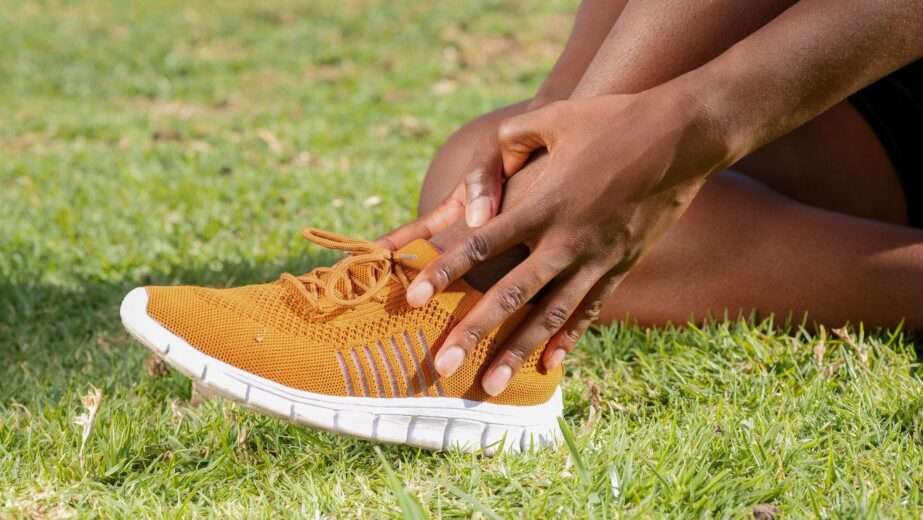


Staying active puts plenty of demands on your feet, whether you’re working out at the gym or enjoying a weekend soccer match. Yet most guys give their feet little thought until something starts hurting. That lack of attention can turn a minor annoyance into a setback that disrupts your fitness routine. Taking care of your feet helps you stay active and avoid unnecessary downtime.
Foot health plays a major role in how comfortably you move throughout the day. Even minor discomfort can affect your performance during workouts and everyday activities. Recognizing early warning signs gives you a chance to address issues before they worsen.
1. Plantar Fasciitis: When Heel Pain Slows You Down
Ever experienced sharp heel pain when taking your first steps in the morning? Plantar fasciitis might explain that uncomfortable sensation. This condition affects the plantar fascia, a thick band of tissue connecting your heel to your toes. Repeated stress can irritate this tissue, particularly among runners and men who spend long hours standing.
Symptoms typically include stabbing heel pain and stiffness after inactivity. Treatment usually involves stretching the calves, reducing aggravating activities, and wearing supportive footwear. Some men also explore light-based treatments as part of their recovery routine, although researchers continue to investigate its effectiveness.
2. Athlete’s Foot: More Than a Locker Room Problem
Athlete’s foot ranks among the common foot problems that can affect anyone who regularly wears sweaty sneakers. This fungal infection thrives in warm environments, particularly inside damp shoes. Symptoms include itching, peeling skin, and irritation between the toes. Shared locker rooms and communal showers can also increase your exposure.
Good hygiene significantly reduces your risk of developing an infection. Wash your feet daily and thoroughly dry the spaces between your toes. Change socks after workouts and wear sandals in communal showers. Over-the-counter antifungal treatments can help, but persistent symptoms may require professional medical attention.
3. Blisters: Small Injuries That Cause Big Discomfort
A fresh pair of sneakers might look great, but wearing them during an intense workout before breaking them in can backfire. Blisters develop when repeated friction separates layers of skin and fluid collects between them. Running and hiking increase friction, particularly when shoes fit poorly. Even a small blister can make your next workout uncomfortable.
Choose athletic shoes that provide adequate toe space without excessive heel movement. Moisture-wicking socks can also help minimize friction during physical activity. If a blister develops, keep the area clean and avoid popping it unnecessarily. Increasing redness or drainage may indicate an infection that requires medical attention.
4. Achilles Tendinitis: The Price of Pushing Too Hard
Your Achilles tendon connects your calf muscles to your heel bone. It helps you run, jump, and push off the ground during physical activity. Sudden increases in training intensity can place excessive stress on this tendon. Achilles tendinitis can cause tenderness and stiffness near the back of your heel.
Men returning to competitive sports after an extended break should gradually rebuild their endurance. Start with manageable workouts instead of immediately returning to your previous intensity. Calf-strengthening exercises and appropriate recovery periods can help manage tendon stress. Seek urgent medical attention if you experience a sudden popping sensation or difficulty pushing off your foot.
5. Ingrown Toenails: A Painful Everyday Issue
Ingrown toenails might seem minor, but they can make walking surprisingly uncomfortable. This condition develops when the edge of a toenail presses into surrounding skin. The pressure can trigger tenderness and swelling around the affected toe. Tight athletic shoes and improper nail trimming can increase your risk.
Trim your toenails straight across instead of digging into the corners. Choose footwear that gives your toes enough room to move naturally. Avoid attempting to remove a deeply embedded nail yourself, especially when the area hurts. Consult a healthcare professional if the toe becomes severely painful or develops signs of infection.
6. Bunions: When Your Big Toe Gets Out of Alignment
Bunions develop when the joint at the base of your big toe gradually shifts out of alignment. This creates a noticeable bump along the inside of your foot. Although many people associate bunions with older adults, younger men can develop them too. Genetics and natural foot structure play significant roles in their development.
For active men, bunions may cause discomfort during running or sports involving quick directional changes. Narrow footwear can worsen symptoms by placing additional pressure on the joint. Shoes with wider toe boxes and protective padding may improve comfort. Severe cases sometimes require surgery, but conservative treatments help many people manage their symptoms.
7. Stress Fractures: When Repetition Becomes an Injury
Unlike fractures that follow sudden accidents, stress fractures develop through repeated loading that overwhelms a bone’s ability to recover. Runners and recreational athletes face increased risk when they rapidly increase training volume. Inadequate recovery can also contribute to these injuries. Symptoms typically include localized pain that worsens during physical activity.
As the injury progresses, discomfort may continue during everyday walking. Ignoring these warning signs can make the fracture more serious. Stop activities that trigger pain and seek medical evaluation if you suspect a stress fracture. A health care professional can recommend an appropriate recovery plan based on the injury’s severity.
8. Ankle Sprains: A Common Setback for Weekend Athletes
Ankle sprains affect the ligaments surrounding your ankle and can interfere with normal foot movement. These injuries occur when the ankle twists unexpectedly, stretching or tearing supporting ligaments. Basketball and soccer create opportunities for awkward landings and sudden changes in direction. Symptoms include swelling, bruising, and difficulty bearing weight.
Initial care may involve protecting the ankle, applying compression, and temporarily limiting painful movement. Rehabilitation exercises can help restore strength and balance as your ankle heals. Don’t rush back into competition simply because the swelling improves. Regaining stability before returning to sports helps reduce the risk of another injury.
How Active Men Can Keep Their Feet Healthy
Preventing common foot problems doesn’t require an expensive wellness routine. Small adjustments to everyday habits can make a meaningful difference. Start with properly fitting shoes that match your preferred activities. Replace footwear when worn soles or deteriorating support begin affecting your comfort.
Regular calf-strengthening and ankle mobility exercises can support healthier movement. Gradually increase your workout intensity instead of making dramatic changes overnight. Give your body adequate recovery time between demanding workouts. Persistent pain or unexplained swelling deserves medical attention rather than another week of pushing through discomfort.
Make Foot Care Part of Your Fitness Routine
Taking your fitness seriously means recognizing when your body needs attention. Ignoring discomfort isn’t a sign of toughness, especially when a manageable condition could become a bigger obstacle. Whether you’re training for your first 5K or playing fútbol every Sunday, healthy feet help you enjoy those experiences. Build smart recovery habits into your routine so you can keep doing what you love.